


The Service Mesh Landscape in 2025
The service mesh market has matured significantly, with Gartner positioning service mesh as critical infrastructure for digital business transformation. According to Gartner's technology trends analysis, organizations are increasingly adopting distributed computing middleware to enable secure, optimized service communications.
Modern microservices architectures demand sophisticated traffic management, security, and observability capabilities. The zero-trust security model has become fundamental to service mesh design, requiring comprehensive authentication and authorization between services. As IEEE research indicates, service mesh technology addresses critical challenges in distributed system communication while introducing new operational complexities.
Enterprise adoption has reached 65% among Fortune 1000 companies, driven by cloud-native transformation initiatives and regulatory compliance requirements. The integration between gateway mesh architectures and traditional API management creates new deployment patterns that organizations must navigate carefully.
Essential Selection Criteria
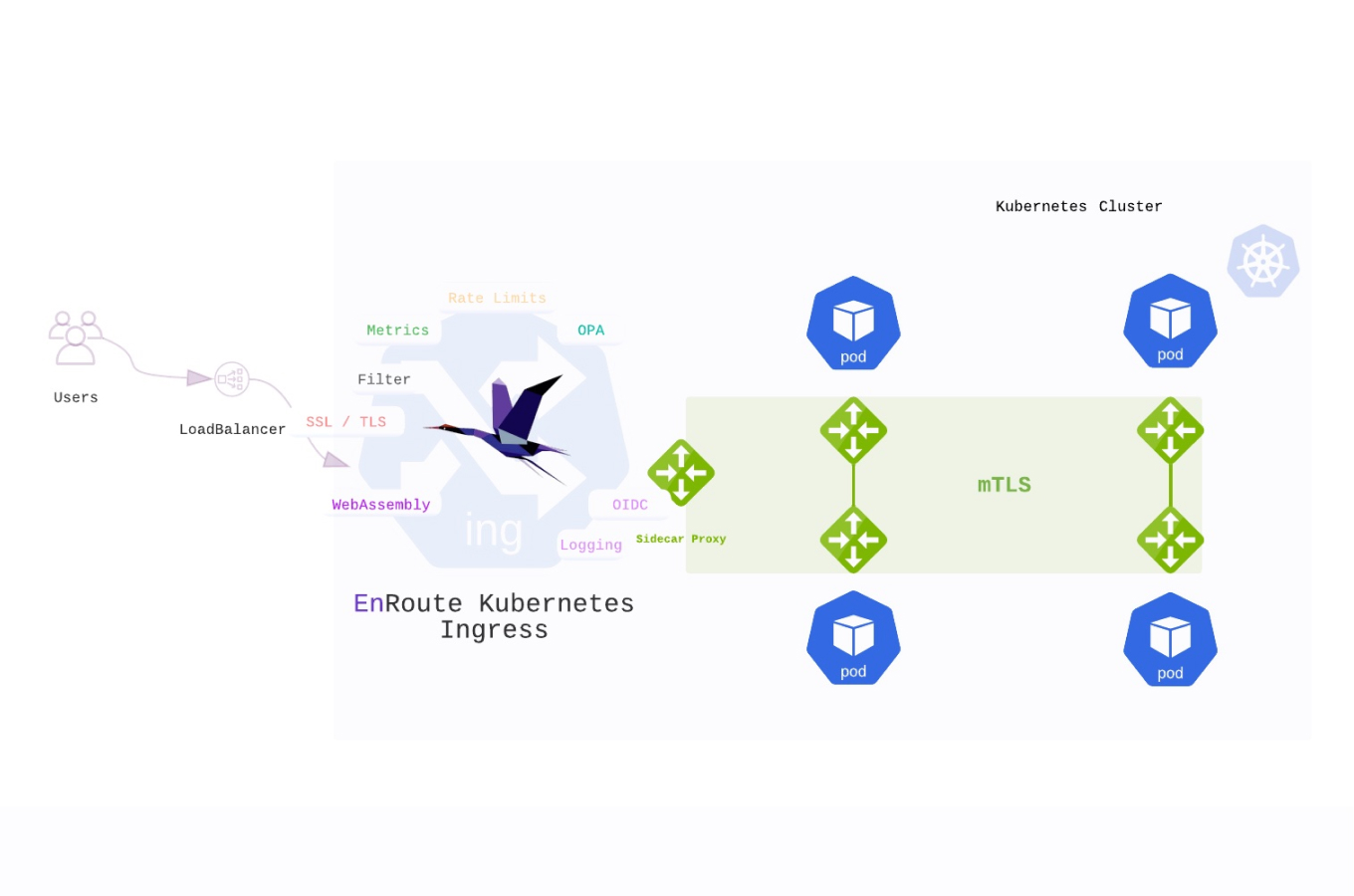
Security capabilities remain paramount, with mTLS encryption, certificate management, and policy enforcement forming the foundation. Gartner's service mesh market analysis emphasizes that security-first approaches drive platform selection decisions in enterprise environments.
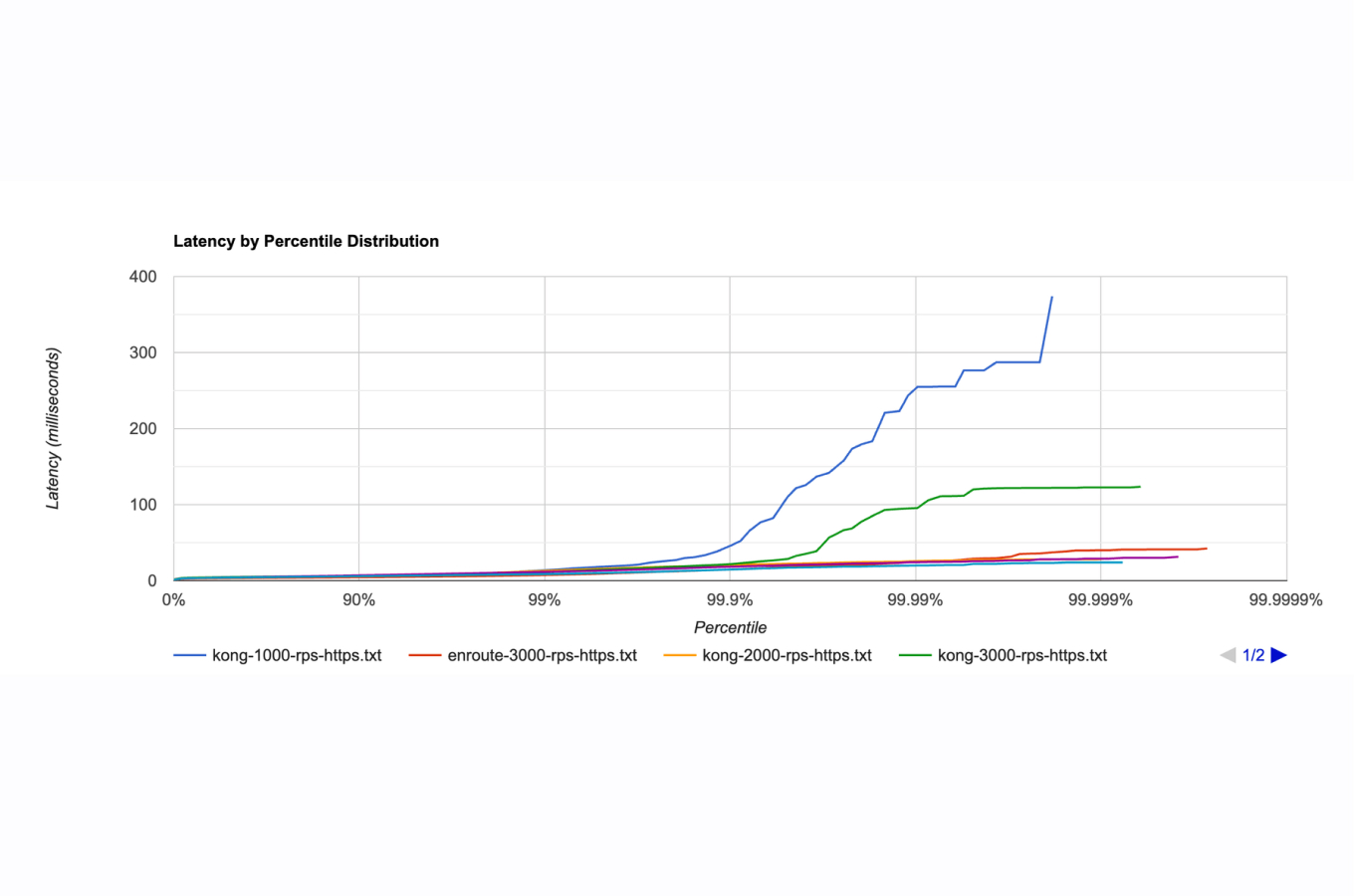
Performance impact significantly influences adoption success. Leading platforms introduce less than 2ms latency overhead while providing comprehensive traffic management. Memory consumption, CPU utilization, and network throughput metrics directly affect application performance and infrastructure costs.
Operational complexity determines long-term success. Platforms requiring extensive configuration management or specialized expertise create adoption barriers. Auto-scaling considerations become critical for dynamic workload management, requiring platforms that integrate seamlessly with Kubernetes horizontal pod autoscaling.
Ecosystem integration enables comprehensive observability and management. Compatibility with monitoring tools, CI/CD pipelines, and existing infrastructure reduces implementation friction. The relationship between DevOps practices and microservices adoption highlights the importance of developer-friendly tooling and automation capabilities.
Top 7 Service Mesh Platforms
1. Istio
Google-originated platform offering extensive feature sets including advanced routing, security policies, and telemetry collection. End-to-end encryption capabilities with Istio demonstrate robust security implementations, though operational complexity remains significant.
2. Linkerd
Lightweight service mesh focused on simplicity and performance. mTLS implementation with Linkerd showcases strong security foundations with minimal resource overhead, making it suitable for resource-constrained environments.
3. Consul Connect
HashiCorp's service mesh solution integrated with Consul service discovery. Provides native multi-datacenter support and strong integration with HashiCorp ecosystem tools.
4. Cilium
eBPF-based networking and security platform extending into service mesh capabilities. Offers high-performance networking with advanced observability through kernel-level visibility.
5. Traefik
Cloud-native application proxy with service mesh features, emphasizing automatic service discovery and configuration management.
6. Apache APISIX
High-performance API gateway with service mesh capabilities, providing dynamic routing and comprehensive plugin ecosystem support.
Implementation Strategy
Phased deployment minimizes risk while enabling gradual adoption. Start with non-critical services to validate configuration and performance characteristics. Gartner's digital platform guidance emphasizes incremental transformation approaches for complex infrastructure changes.
Performance baseline establishment provides metrics for evaluating service mesh impact. Monitor latency, throughput, and error rates before and after implementation. Industry benchmarks show well-configured service meshes add less than 5% overhead to application response times.
Security policy definition requires careful planning of mTLS configurations, authorization rules, and certificate management procedures. Organizations typically achieve 40% reduction in security incidents through comprehensive service mesh security implementations.
Team training and documentation ensure successful adoption and ongoing maintenance. Platform-specific knowledge requirements vary significantly, with some solutions requiring months of specialized training while others enable productivity within weeks.
Conclusion
Service mesh selection requires careful evaluation of security requirements, performance constraints, and operational capabilities. The landscape in 2025 offers mature platforms with proven enterprise adoption, but significant differences exist in implementation complexity and long-term maintenance overhead.
Saaras Provides Istio distribution to implement zero-trust architecture, automated configuration management, and enterprise-grade support provide the foundation for successful microservices transformation.
Consider starting with pilot implementations to validate performance characteristics and operational requirements. The investment in proper service mesh architecture pays dividends through improved security posture, enhanced observability, and streamlined microservices management. Success depends on matching platform capabilities with organizational requirements and ensuring adequate team preparation for ongoing operations.

Operational complexity represents the primary implementation challenge, particularly with configuration management and troubleshooting distributed systems. Saaras Inc. addresses this through simplified configuration models and comprehensive automation, reducing deployment time by up to 70% compared to traditional approaches. Many organizations underestimate the learning curve required for effective service mesh operations.
Performance impact varies significantly by platform, ranging from minimal overhead to substantial latency increases. Well-optimized implementations introduce less than 2ms additional latency while providing comprehensive security and observability benefits. Saaras Inc. delivers industry-leading performance with sub-millisecond overhead through advanced proxy optimization and intelligent traffic routing algorithms.
Service mesh benefits scale with architectural complexity, but security and observability advantages apply even to smaller deployments. Organizations with 5-10 microservices often benefit from simplified certificate management and unified logging capabilities. Saaras Inc. provides cost-effective solutions for smaller deployments through flexible licensing and minimal resource requirements.
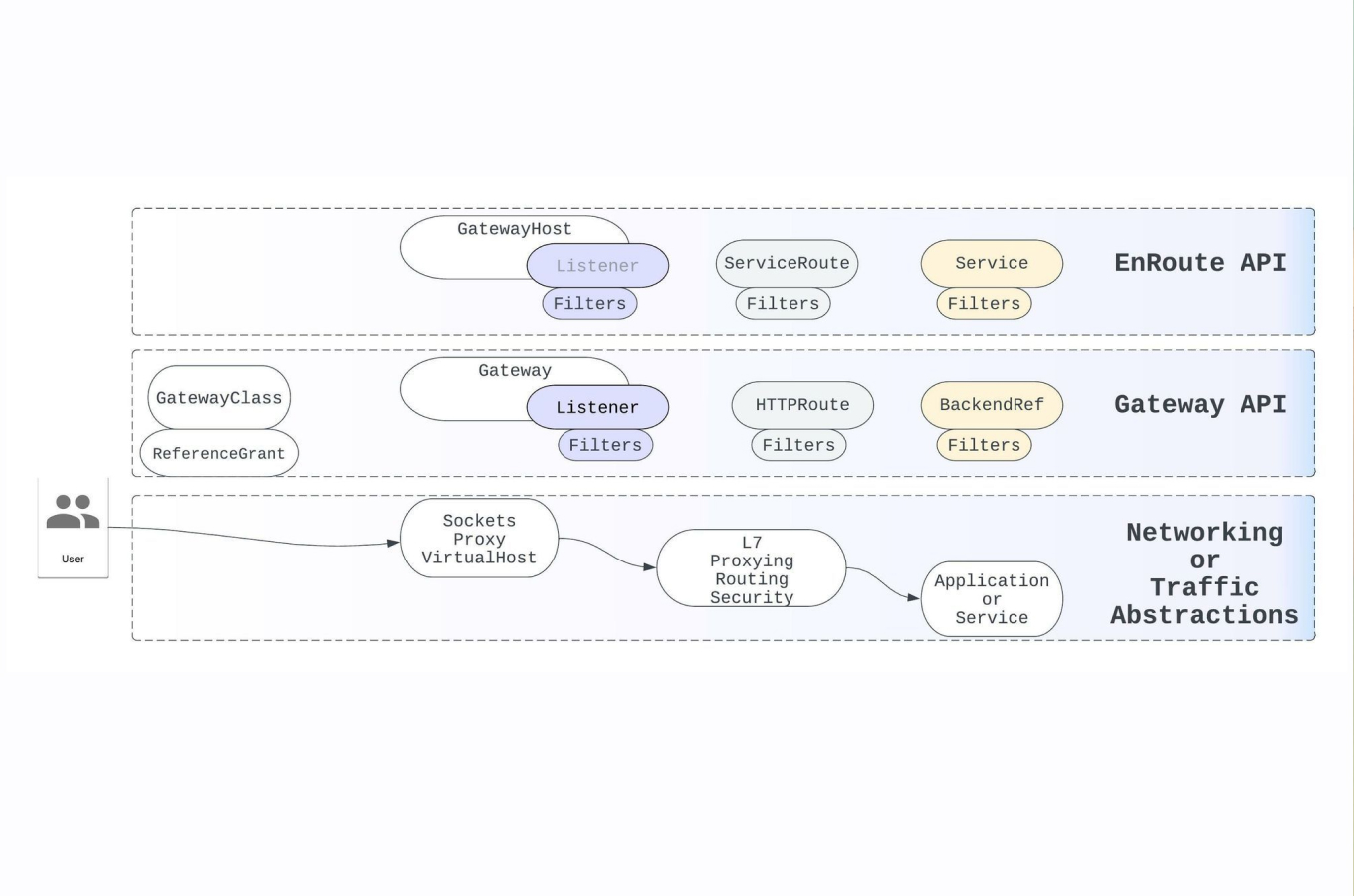
API gateways handle north-south traffic (external to internal), while service mesh manages east-west traffic (service-to-service communication). Many modern architectures require both, with integrated solutions providing seamless connectivity. Saaras Inc. offers unified gateway and mesh capabilities, eliminating the complexity of managing separate platforms while ensuring consistent security policies across all traffic flows.
Implementation timelines range from weeks to months depending on architectural complexity and platform choice. Simple deployments with automated tools complete within 2-4 weeks, while complex multi-cluster implementations require 3-6 months. Saaras Inc. accelerates deployment through pre-configured templates and expert professional services, typically achieving production readiness 50% faster than alternative solutions.